

Industry / Chemical & batch processing
Keep a reliable record of each batch.
Industrial IoT for chemical and batch processing connects available temperature readings, material flow signals and batch records to monitoring screens and business software. Teams can review process trends and compare batches using consistent records. Equipment access, safety requirements and regulatory context determine the scope of each project.
Discuss your operation
01 / Common challenges
What makes chemical & batch processing difficult to track?
Inconsistent batch records
Process parameters are recorded manually during or after a batch. The resulting record depends on who was present and what they observed.
Late detection of process drift
A temperature or pressure value moves outside the expected range but nobody notices until the next manual check or the batch is complete.
Energy use in continuous processes
Heating, cooling and mixing equipment run around the clock. Consumption patterns across batches or shifts are not compared.
Traceability from batch to record
Linking a specific batch to its process readings, material inputs and quality check involves searching multiple sources.
02 / How we help
Solutions for chemical & batch processing.
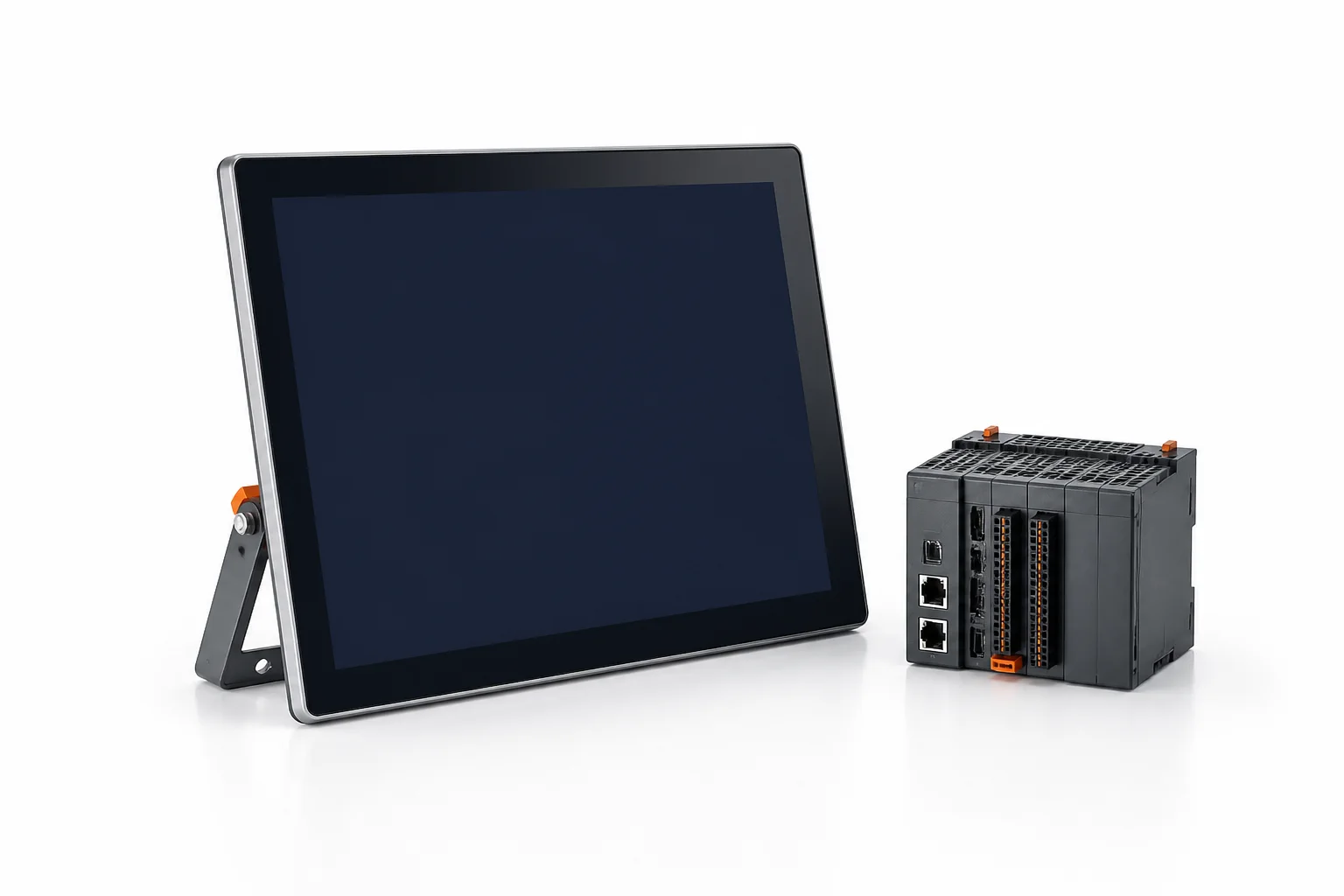
Web SCADA
See real-time machine status, cycle times, alarms, and OEE on browser dashboards designed for your team. Connects to existing PLCs and CNC controllers without proprietary desktop clients.
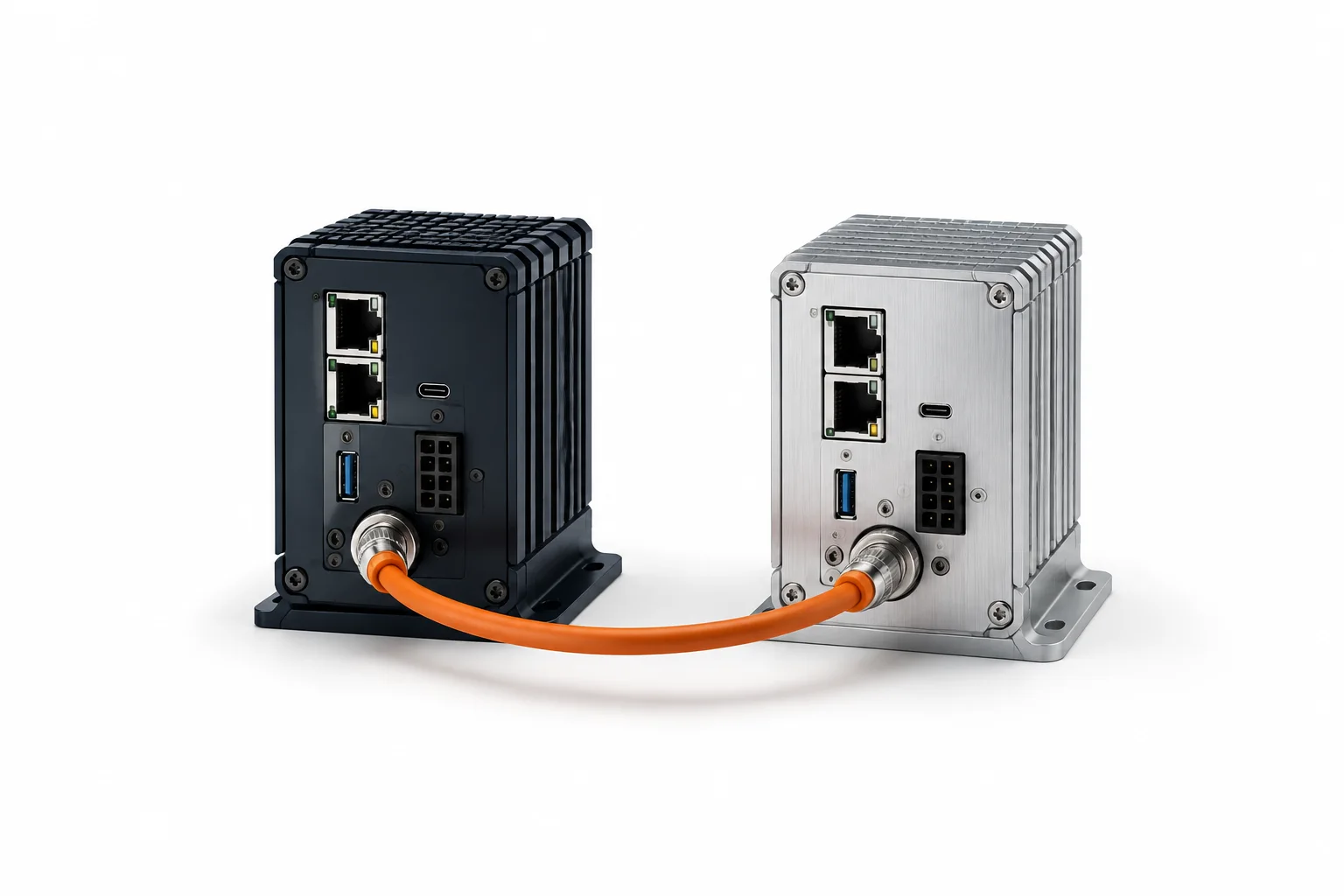
Machine-to-ERP integration
Explore how machine readings can connect to the software your business already uses. The information and available software interfaces are checked first.
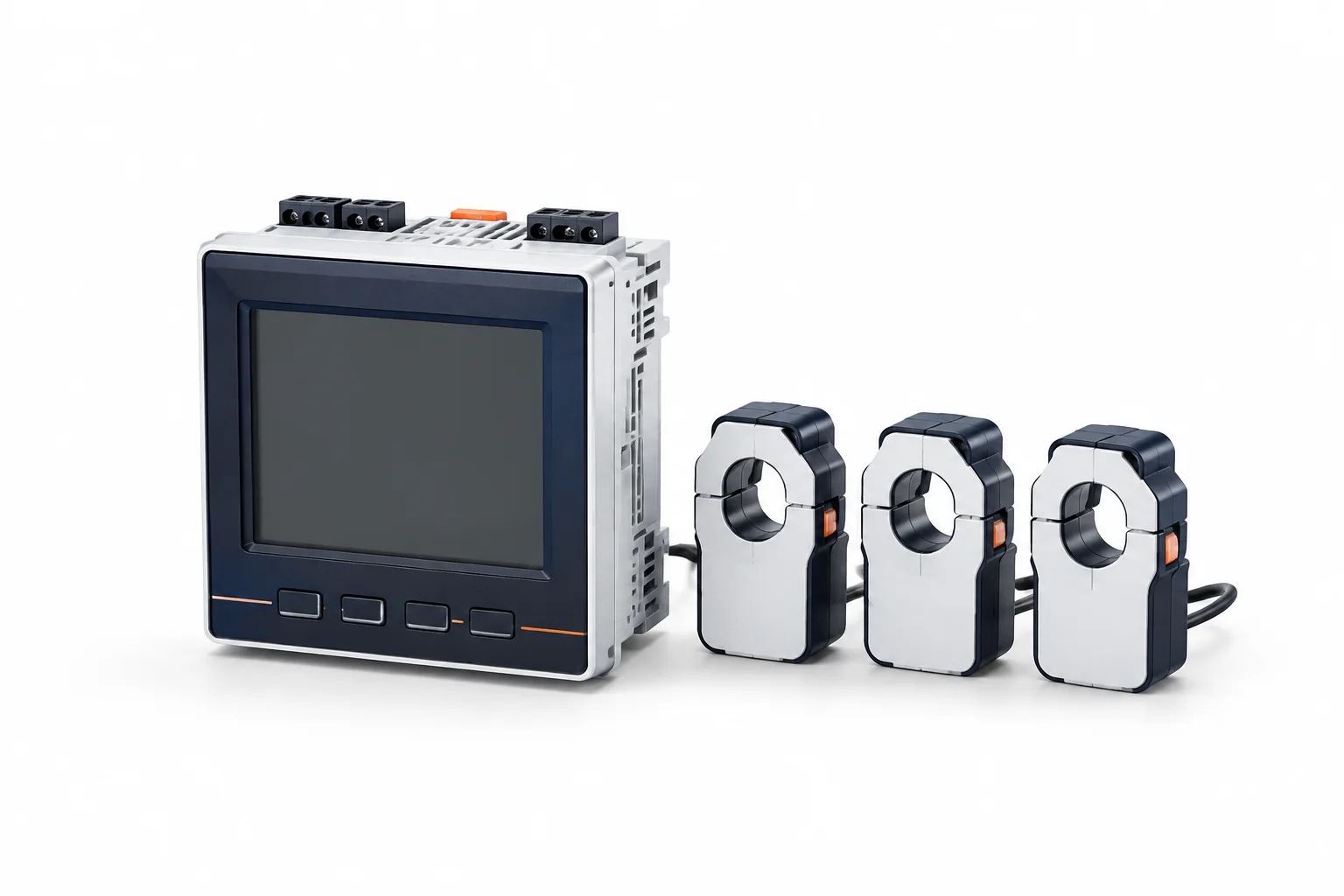
Energy management
Bring suitable energy readings into one view. Compare machines or shifts to find patterns worth investigating.
03 / Equipment & starting points
Typical equipment in chemical & batch processing.
- Reactors and mixing vessels
- Heat exchangers and cooling systems
- Pumps and flow meters
- Temperature and pressure transmitters
- Weighing and dosing systems
We begin with one vessel or one batch step — collecting an agreed temperature or flow reading and reviewing how it compares with the operator record across several batches.
04 / Example scenarios
Illustrative starting points.
Temperature trend for a reactor batch
Collect temperature readings from an available transmitter and display the trend alongside the batch start and end times. Review whether the profile matches the process specification.
Batch record to production log
Read the batch identifier and completion time from the process control system and check whether those fields can update an existing production or quality record automatically.
Energy use comparison across batches
Compare electricity or steam consumption for similar batches produced on different days. Investigate whether an outlier is explained by production differences or equipment behaviour.
Example starting points. Suitability depends on your equipment and project requirements.
05 / Practical questions
Know what to ask.
Can you connect to our existing process control system?
That depends on the controller model, available interfaces and access permissions. We check these before agreeing the integration scope. Bring the system name, interface documentation and a sample process record. These help establish which signals are accessible and whether additional hardware or configuration is needed.
How do you handle safety-critical process data?
Monitoring is separate from safety instrumented systems or control functions. We agree the boundary between observation and control before any connection is proposed. Safety and regulatory requirements must be reviewed with your process engineering and HSE teams. The monitoring scope must not affect approved safety interlocks or certified systems.
Can batch records be linked to quality results?
If the batch system and quality records share a common identifier, they can be associated. The approach depends on how each system stores and exports records. Agree identifier formats, timestamp alignment and correction procedures with the teams responsible for each system before linking records.
Start with your equipment.
Tell us what is difficult to see or keep track of in your chemical & batch processing operation. We can discuss whether this is a useful place to begin.
Prepare an enquiry ↗Explore all industries →