

Industry / Logistics & handling
Understand the flow through your operation.
Industrial IoT for logistics connects available conveyor states, packing counts and equipment readings to monitoring or business software. A team can review an agreed material flow using consistent records. The first connection depends on accessible signals and the interfaces your existing software provides.
Discuss your operation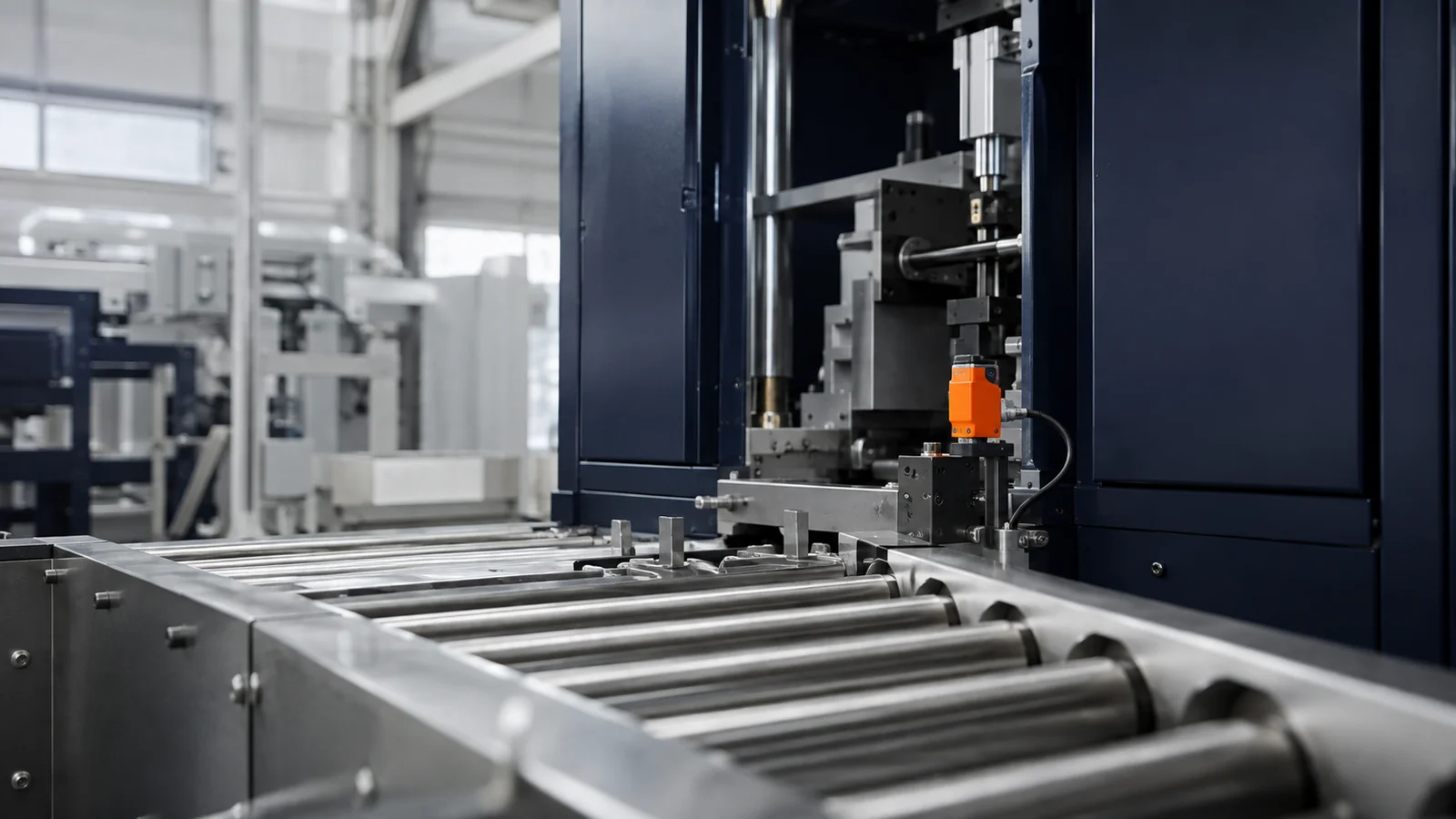
01 / Common challenges
What makes logistics & handling difficult to track?
Conveyor and handling status
Belt conveyors, sorters or automated handling systems run without clear visibility into when they stop or slow down.
Manual count reconciliation
Packing counts are recorded manually and reconciled with dispatch records at the end of the day. Errors are found too late to correct efficiently.
Energy use across shifts
Warehouse lighting, conveyor motors and climate control consume energy around the clock, but usage patterns across shifts are not compared.
02 / How we help
Solutions for logistics & handling.
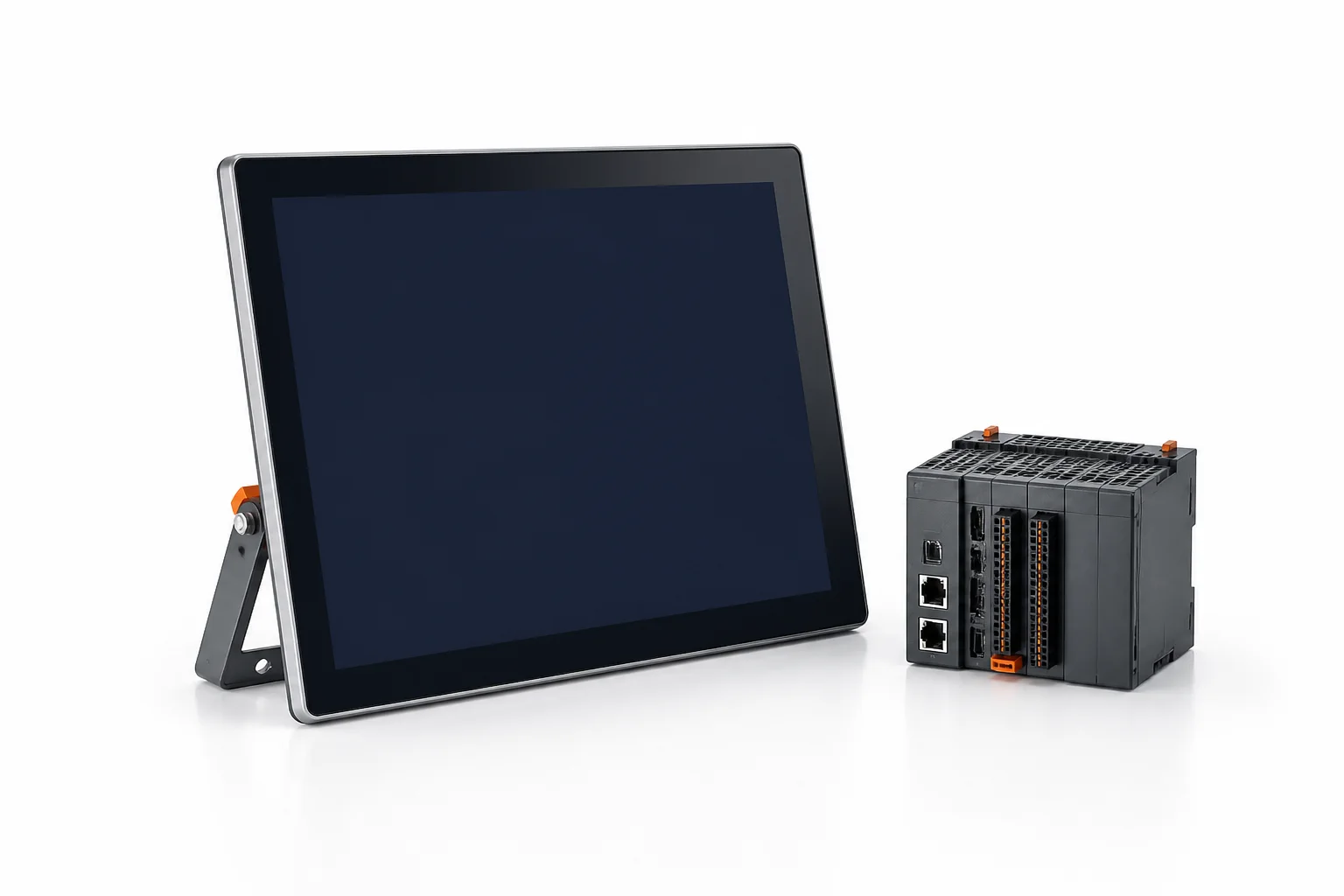
Web SCADA
See real-time machine status, cycle times, alarms, and OEE on browser dashboards designed for your team. Connects to existing PLCs and CNC controllers without proprietary desktop clients.
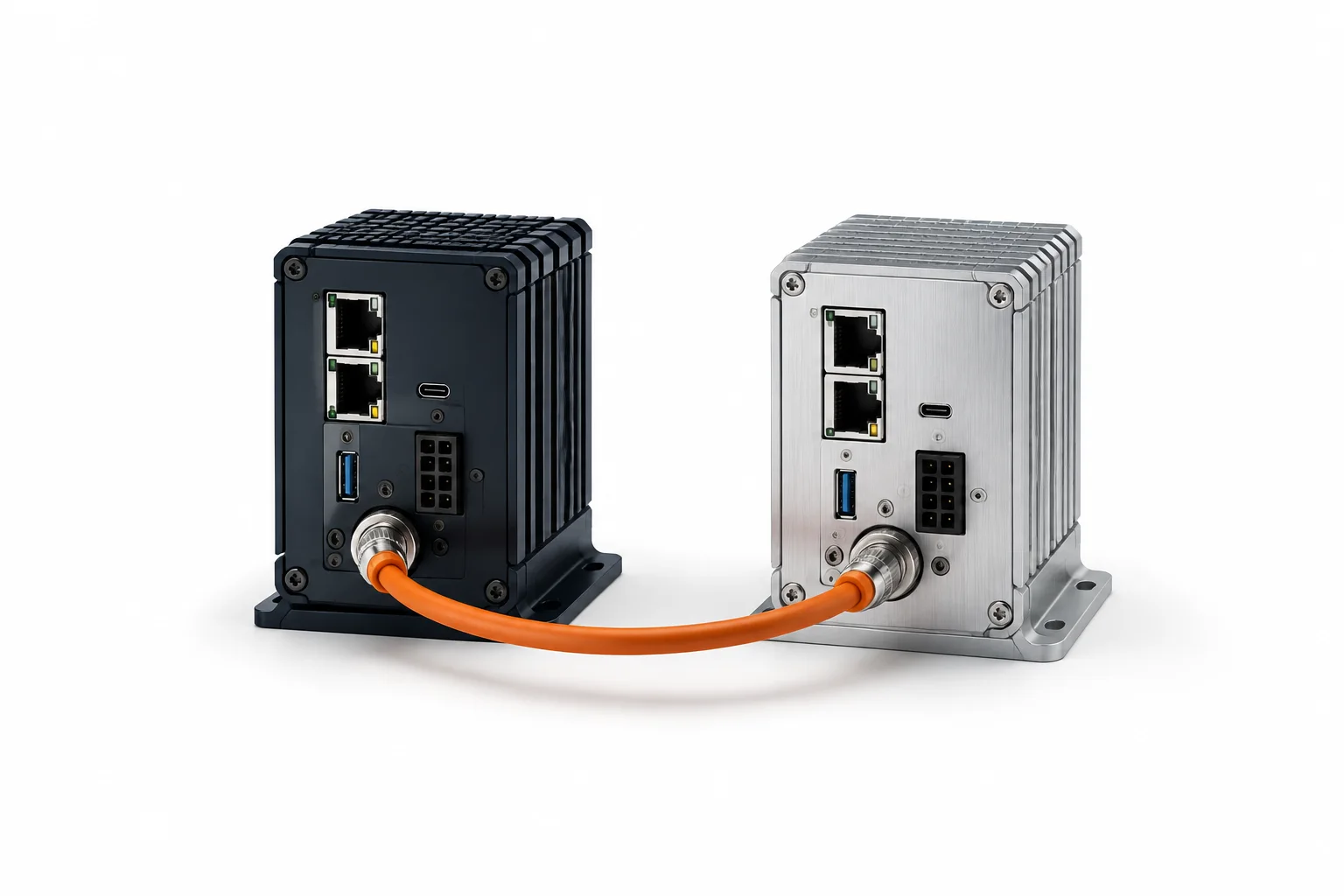
Machine-to-ERP integration
Explore how machine readings can connect to the software your business already uses. The information and available software interfaces are checked first.
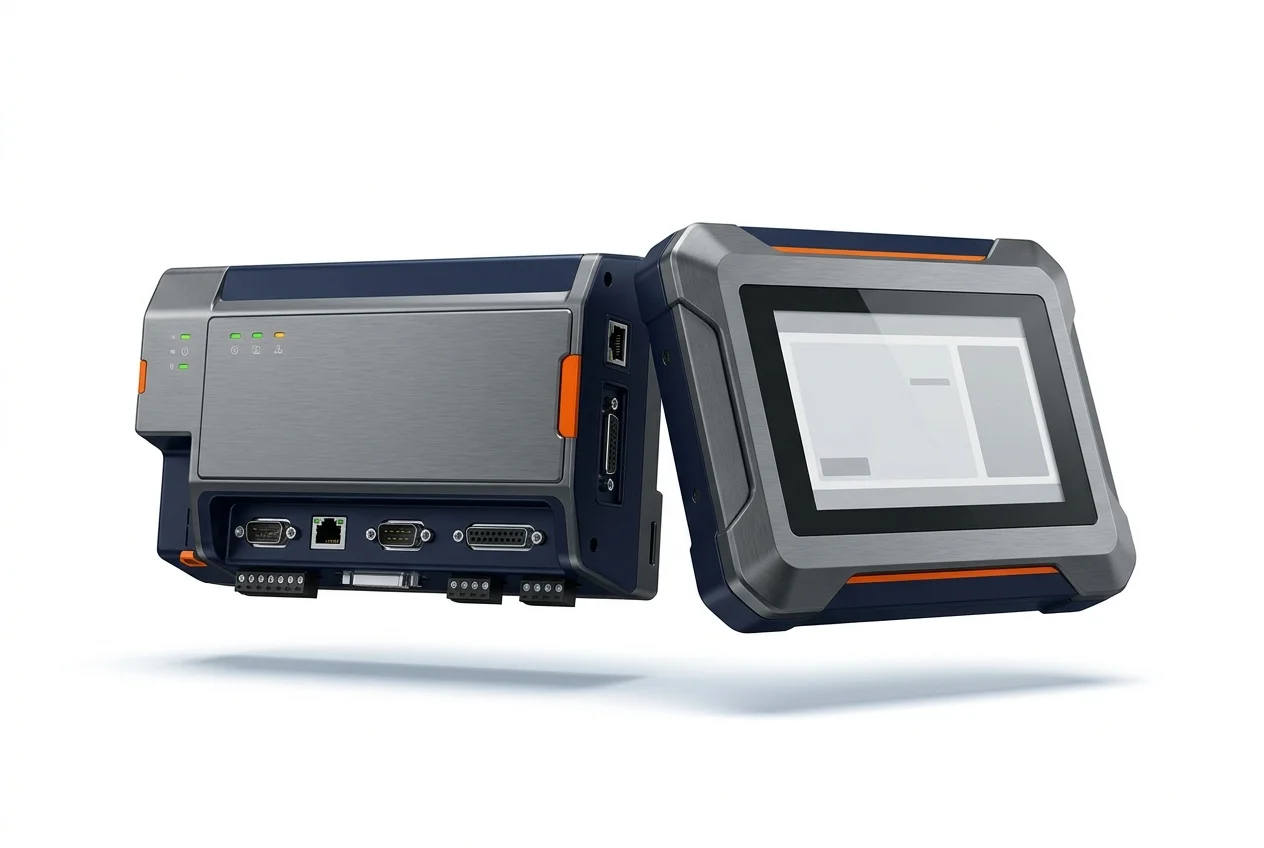
Manufacturing ERP
Connect sales, purchasing, inventory, manufacturing, quality, maintenance and financial operations with real shop-floor production data.
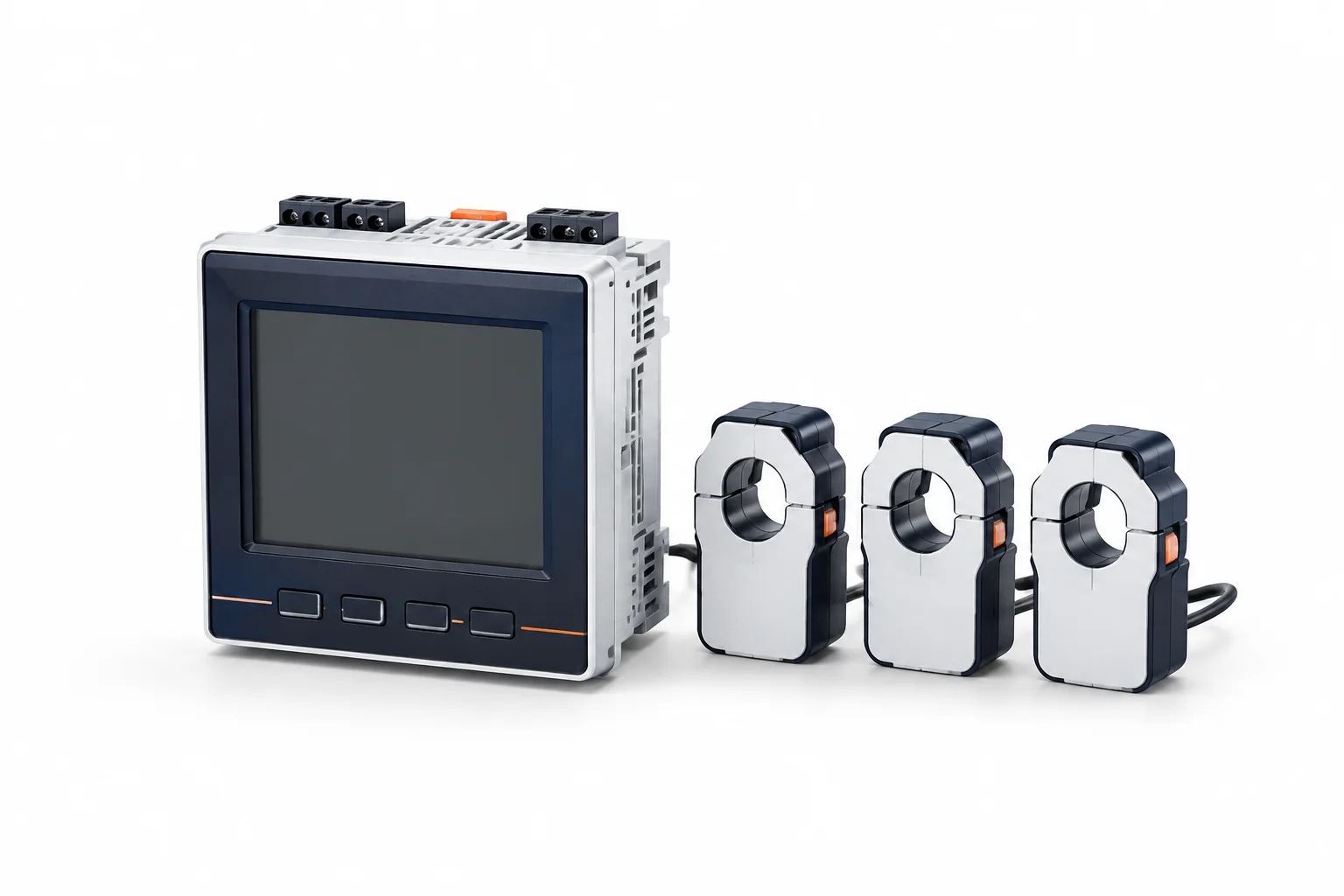
Energy management
Bring suitable energy readings into one view. Compare machines or shifts to find patterns worth investigating.
03 / Equipment & starting points
Typical equipment in logistics & handling.
- Belt and roller conveyors
- Automated sorting systems
- Stretch wrapping machines
- Barcode and label printers
- Loading dock equipment
We begin with one piece of equipment or one measurable flow — such as conveyor running status or packing counts at a single station — before looking at the full material flow.
04 / Example scenarios
Illustrative starting points.
Conveyor running status
Monitor whether a conveyor is running, stopped or in fault state. Display the status on a screen at the dispatch office.
Packing count to dispatch record
Read the count from a packing station and check whether it can update the warehouse management system without manual re-entry.
Example starting points. Suitability depends on your equipment and project requirements.
05 / Practical questions
Know what to ask.
Can you connect to our warehouse management software?
That depends on the software's available interfaces and access permissions. We check these before agreeing the integration scope. Bring a sample packing or dispatch record and available interface documentation. Agree field mapping, validation and failed update handling before moving operational records.
What if our conveyor doesn't have a controller?
Simple equipment may still provide useful signals through motor current, proximity sensors or relay contacts. We assess what is practical before recommending changes. Check installation access, safe operating constraints and what each reading actually represents. Compare collected states against the equipment before relying on a dashboard.
How quickly can we see results?
The timing depends on equipment access, available signals and the software connections involved. Begin with one conveyor or packing station and an agreed way to validate its readings. We assess dependencies and installation requirements before discussing a schedule or deciding whether to expand.
Start with your equipment.
Tell us what is difficult to see or keep track of in your logistics & handling operation. We can discuss whether this is a useful place to begin.
Prepare an enquiry ↗Explore all industries →